Skincare Revival: Tallow's Timeless Benefits
Unlock the secrets of traditional skincare with tallow's natural potency—boosting hydration, reducing irritation, and promoting glow from within.
(17 min read)
In the whirlwind of skincare trends that flood our feeds, beef tallow has emerged as the latest "ancient secret" touted by influencers and wellness gurus alike. Rendered animal fat slathered on your face? It sounds more like a medieval remedy or a kitchen mishap than a modern beauty essential. As someone who's seen countless fads come and go—from snail mucin to jade rollers—I'll admit I approached this revival with a hefty dose of skepticism. Is tallow really the hydration hero, irritation soother, and glow booster it's cracked up to be, or just another hyped-up ingredient destined for the dustbin? At Thermae Laboratories, we're all about peeling back the layers with evidence, not empty promises. Join me on this investigative journey where I start doubtful but let the science speak for itself. Spoiler: the research might just convert even the biggest doubters.
What Exactly Is Beef Tallow? Breaking Down the Basics
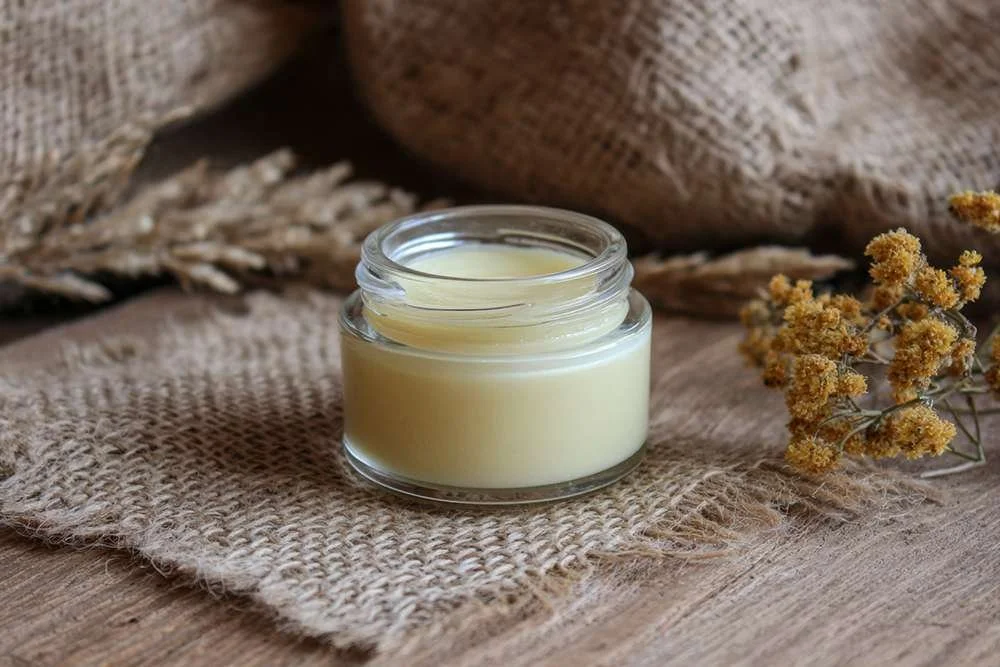
Before we dive into the claims, let's clarify what we're dealing with. Beef tallow is the purified fat rendered from cattle, typically from the suet around the kidneys. It's been used for centuries in everything from soap-making to cooking, but its skincare resurgence stems from its purported similarity to human sebum—the oily substance our skin naturally produces. Proponents argue that because tallow's fatty acid profile mirrors our own, it absorbs seamlessly without disrupting the skin's balance. But is this more myth than fact?
Skeptically, I wondered if this was just clever marketing. After all, animal-derived products aren't exactly synonymous with "clean beauty" in today's plant-based world. However, examining its composition reveals a mix that's intriguingly nutrient-dense. Tallow is primarily composed of triglycerides, including oleic acid (about 40-50%), palmitic acid (25-30%), stearic acid (15-20%), and smaller amounts of linoleic acid. These saturated and monounsaturated fats form a stable, occlusive barrier on the skin, potentially locking in moisture. Grass-fed varieties amp up the ante with conjugated linoleic acid (CLA), a fatty acid linked to anti-inflammatory effects. sequential.bio
Adding to the intrigue are the fat-soluble vitamins: A, D, E, and K, which are naturally present in higher concentrations in grass-fed tallow. Vitamin E, for instance, acts as an antioxidant, while vitamin A supports cell turnover. Vitamin K levels can reach 0.14 mcg per gram of K1 and 0.13 mcg per gram of K2 in tested samples. On paper, this sounds promising, but I wasn't convinced yet. Could these components truly translate to real-world benefits, or were we dealing with overhyped folklore? Time to scrutinize the science. pmc.ncbi.nlm.nih.gov
The Hype Around Hydration: Does Tallow Really Quench Thirsty Skin?
One of the boldest claims swirling around tallow is its superior hydrating power. Influencers rave about how it turns parched, flaky skin into a dewy canvas overnight, but I rolled my eyes—haven't we heard this before with coconut oil or shea butter? Hydration in skincare boils down to two things: humectants that draw in water and emollients that seal it in. Tallow, being mostly emollient fats, seems like it could fit the bill, but without solid data, it's just speculation.
Digging into the research, I was prepared for disappointment, but the evidence started stacking up. A scoping review published in 2024 analyzed tallow's biocompatibility with skin and found it offers significant moisturizing properties. In one study involving 78 participants, an emulsion containing tallow improved skin hydration, with users reporting noticeable softness and reduced dryness. Another experiment measured hydration levels post-application: skin moisture increased by 4.7% after 30 minutes, surging to 47.2% by 180 minutes. That's not just a minor bump—it's a substantial, time-dependent boost. pmc.ncbi.nlm.nih.gov
Further validation comes from comparative studies. In a trial comparing tallow to other moisturizers, tallow alone demonstrated the most profound impact on skin hydration when applied topically. Its fatty acids, particularly oleic and linoleic, mimic the skin's natural lipids, helping to repair the barrier and prevent transepidermal water loss (TEWL). For those with dry or compromised skin, this could mean fewer cracks and more resilience. Even experts from institutions like Mayo Clinic note that tallow's composition makes it gentle and effective for moisture retention. researchgate.net hmgsderm.com mcpress.mayoclinic.org
I have to admit, my initial doubt began to crack here. While not every study is a randomized controlled trial on humans—some rely on in vitro or small-scale observations—the consistency across sources suggests tallow isn't just hype. It's a viable hydrator, especially for those seeking natural alternatives to synthetic creams.
Reducing Irritation: Can Tallow Calm the Chaos?
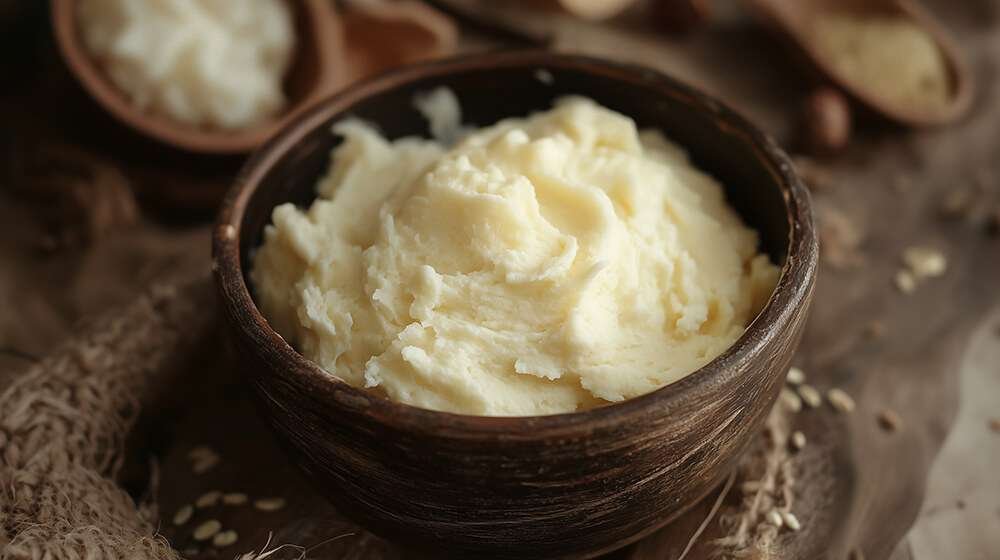
Next up: tallow's alleged ability to soothe irritated skin. Claims abound that it tames redness, eases eczema flares, and acts as an anti-inflammatory balm. As a skeptic, this sounded too good to be true—after all, animal fat on inflamed skin? Wouldn't that clog pores or exacerbate issues? Many dermatologists warn against unproven trends, and I was inclined to agree, expecting the science to fall flat.
But the investigations revealed surprising support. A 2020 study in the journal Nutrients examined a tallow-containing mixture on mice with atopic dermatitis, finding it reduced symptoms by lowering serum IgE levels and mast cell infiltration. While animal models aren't human proof, this hints at anti-inflammatory mechanisms, possibly from CLA and other fatty acids. medpagetoday.com zeamhealth.com
Human-centric research echoes this. The 2024 scoping review highlighted tallow's role in maintaining the skin's protective layer, which is crucial for reducing irritation from environmental stressors. In conditions like eczema, where the barrier is breached, tallow's lipids help replenish fats, minimizing water loss and calming inflammation. Healthline's overview notes its potential to increase moisture and alleviate eczema symptoms, backed by preliminary human observations. pmc.ncbi.nlm.nih.gov nationalgeographic.com healthline.com
Experts from University Hospitals point to tallow's anti-inflammatory properties, attributing them to its vitamin content. For instance, vitamin E in tallow acts as a stabilizer, reducing oxidative stress that fuels irritation. Aromatic studies have also explored tallow for dermatitis and psoriasis, showing benefits in wound healing and barrier repair. uhhospitals.org verywellhealth.com aromaticstudies.com
My suspicion waned as I sifted through these findings. While more large-scale human trials are needed—many studies are small or animal-based—the data validates tallow's soothing potential, especially for sensitive or barrier-damaged skin.
Promoting Glow from Within: Vitamins and Radiance Revealed
Finally, the glow factor: tallow is praised for imparting a "lit-from-within" radiance, thanks to its vitamins combating dullness and aging. Skeptically, I thought this was influencer-speak for "it makes your face shiny." Glow implies improved tone, reduced fine lines, and overall vitality—not just surface sheen. Could fat from cows really deliver that?
The science, once again, stepped in to affirm the hype. Tallow's vitamins A, D, E, and K are key players in skin health. Vitamin A promotes cell renewal, vitamin E fights free radicals, and vitamin K supports collagen integrity. A blog from Tallow Me Pretty cites research showing these compounds stimulate collagen production and reduce fine lines. uhhospitals.org hmgsderm.com
In hydration studies, the moisture boost indirectly enhances radiance by plumping skin and minimizing dullness. Antioxidants in tallow combat oxidative damage, leading to a more even, luminous complexion. Grass-fed tallow's CLA further aids in reducing inflammation that dulls the skin. nationalgeographic.com hmgsderm.com
While direct "glow" studies are sparse, the cumulative effects on barrier function and vitamin delivery suggest real radiance benefits. My initial dismissal? Overturned by evidence pointing to tallow as a legitimate glow enhancer. uhhospitals.org
Potential Drawbacks: Not All Sunshine and Radiance
No investigation is complete without addressing risks. Tallow might clog pores for acne-prone skin, and vegans may object ethically. Some dermatologists note a lack of ceramides compared to modern moisturizers. Always patch-test, and consult pros for conditions like eczema. mdanderson.org
Conclusion: From Skeptic to Believer—The Hype Holds Up
What started as a suspicious probe into tallow's revival ended with validation. The science confirms its hydration prowess, irritation-soothing abilities, and glow-boosting vitamins. It's not a miracle, but a timeless ingredient worth revisiting.
Ready to experience tallow's proven benefits in your own routine? At Thermae Laboratories, we've harnessed this nutrient-rich powerhouse in our Tallow Majesty Balm, a luxurious, concentrated formula that delivers deep hydration, calms irritation, and unlocks that inner radiance through its emollient and vitamin-packed blend. For a lighter, everyday option, try our contemporary lotion ”Tallow & Shea”, where tallow is expertly incorporated in the oil phase of the mixture to provide seamless absorption, barrier repair, and a balanced glow without heaviness. These products tie directly into the timeless advantages we've explored, blending tradition with modern science for skin that feels nourished and revitalized.
Shop now at Thermae Laboratories and let tallow transform your skincare story.