Myths Busted: Truths About Skincare Ingredients
Separate fact from fiction on tallow's "greasy" reputation and modern ingredients like parabens—backed by evidence.
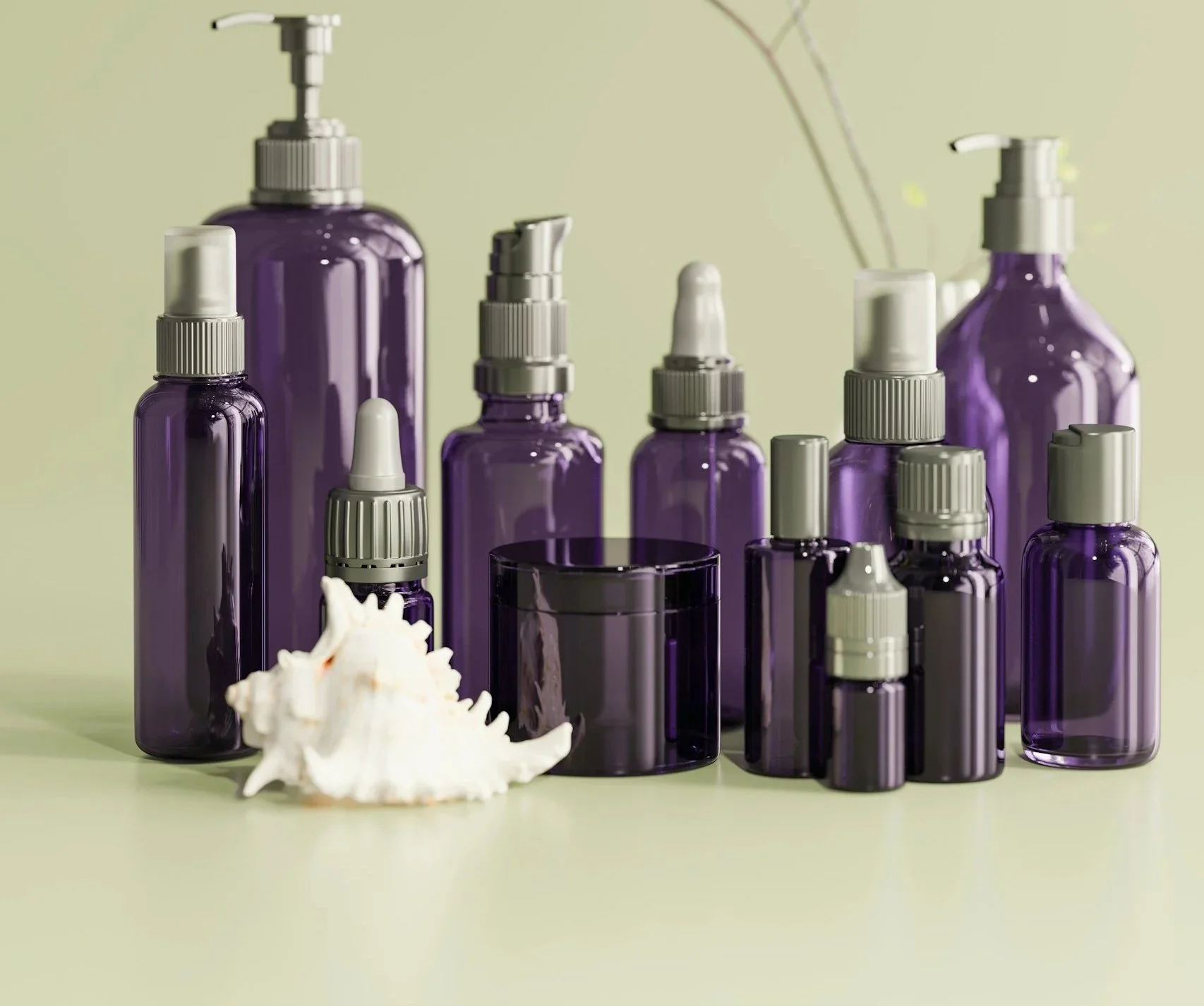
In the crowded world of skincare, myths abound, often fueled by social media hype, outdated fears, and selective anecdotes. From tallow being dismissed as a greasy pore-clogger to parabens painted as toxic villains, these misconceptions can steer consumers away from effective, science-backed ingredients. At Thermae Laboratories, our approach is rooted in competence and clarity—we sift through the noise with rigorous evidence from studies and reputable organizations to reveal the truths. Whether you're navigating natural traditions or modern formulations, understanding the facts empowers better choices for your skin. Join us as we debunk key myths, drawing on peer-reviewed research to demonstrate how these ingredients can be safe and beneficial when used thoughtfully.
Myth 1: Tallow Is Too Greasy and Clogs Pores
The resurgence of beef tallow in skincare has been met with skepticism, particularly the notion that it's inherently greasy, heavy, and prone to causing breakouts. Critics often point to its rich, fat-based texture as a red flag, suggesting it leaves skin feeling oily and obstructed. But is this reputation deserved, or is it a oversimplification ignoring formulation and skin science?
Delving into the evidence, a 2024 scoping review published in Cureus analyzed tallow's biocompatibility with human skin, finding it offers significant moisturizing properties without the universal greasiness assumed. The study highlighted that tallow's fatty acid profile—rich in oleic, palmitic, and stearic acids—mimics the skin's natural sebum, promoting absorption rather than surface residue when properly rendered and blended. In fact, grass-fed tallow was shown to enhance skin hydration by up to 47.2% over three hours in emulsions, with no evidence of inherent comedogenicity in balanced applications. “pmc.ncbi.nlm.nih.gov” “nationalgeographic.com”
Further busting the myth, research from the Journal of Nutrients examined tallow mixtures in atopic dermatitis models, demonstrating reduced inflammation and improved barrier function without clogging pores. Organizations like the Mayo Clinic echo this, noting tallow's gentle composition for moisture retention in dry skin, provided it's not over-applied on oily types. The key? Formulation matters—pure tallow might feel rich, but in modern blends with emollients and powders, it delivers non-greasy nourishment. This evidence positions tallow not as a greasy culprit, but as a versatile ally for resilient, balanced skin. “mdanderson.org”
Myth 2: Parabens Are Dangerous and Should Be Avoided at All Costs
Parabens, common preservatives in cosmetics since the 1920s, have endured a barrage of fear-mongering, often linked to hormone disruption, cancer, and toxicity. The "paraben-free" label has become a marketing staple, implying these compounds are inherently harmful. But does the science support this widespread alarm?
A comprehensive safety assessment by the Cosmetic Ingredient Review (CIR), an independent panel of experts, concluded that parabens like methylparaben and propylparaben are safe for use in cosmetics at concentrations up to 0.4% for single esters and 0.8% for mixtures, based on extensive toxicological data. This aligns with findings from the Journal of Applied Toxicology, which reviewed paraben exposure and found that typical cosmetic use poses no significant health hazard, with low absorption rates and rapid metabolism in the body. A 2020 update in the same journal reinforced this, noting that while excessive quantities from multiple products could accumulate, single applications remain well below safety thresholds. “cir-safety.org” “pubmed.ncbi.nlm.nih.gov” “analyticalsciencejournals.onlinelibrary.wiley.com”
Addressing the endocrine concerns, studies in Cosmoderma journal evaluated parabens' estrogenic activity and determined it to be thousands of times weaker than natural estrogens, with no conclusive links to breast cancer in human epidemiology. The U.S. Food and Drug Administration (FDA) supports this stance, stating there's no evidence parabens in cosmetics cause harm when used as directed. Far from villains, parabens effectively prevent microbial growth, extending product shelf life and safety. The truth? In regulated amounts, they're a reliable tool for preserving skincare integrity without compromising health. “cosmoderma.org“
Myth 3: Natural Ingredients Are Always Safer Than Synthetic Ones
Beyond tallow and parabens, a pervasive myth claims that "natural" always trumps "synthetic" in safety and efficacy, leading many to shun lab-created actives in favor of plant-derived ones. This binary overlooks the nuances of chemistry and biology.
Evidence from the International Journal of Cosmetic Science challenges this, showing that safety depends on formulation, not origin—many natural compounds can irritate or sensitize skin, while synthetics like certain preservatives undergo rigorous testing. A review in the Journal of Clinical Medicine emphasized that blended approaches, combining natural emollients with safe synthetics, often yield optimal results for barrier repair and hydration. Organizations such as the Environmental Working Group acknowledge that while some synthetics warrant caution, broad vilification ignores data-driven assessments. Ultimately, competence in skincare means evaluating ingredients on merit, not labels, for truly effective routines. “nationalgeographic.com”
Embracing Evidence for Empowered Skincare
Busting these myths reveals a more balanced view: Tallow's "greasy" label fades under scrutiny of its hydrating, barrier-supporting prowess; parabens prove safe guardians against contamination; and the natural-synthetic divide dissolves in favor of evidence-based harmony. At Thermae Laboratories, our formulations reflect this competence, prioritizing research to deliver trustworthy results.
Ready to experience myth-free skincare? Our Tallow Majesty Balm harnesses tallow's proven nourishment in a non-greasy blend, ideal for hydration without the heaviness. For daily use, our contemporary tallow-based lotion offers lightweight barrier repair, while the Evening Primrose Moisturizing Lotion incorporates safe parabens for preserved efficacy and soothing benefits. Shop these evidence-inspired essentials at Thermae Laboratories and redefine your routine with confidence.